
New Delhi – India’s crude oil inventories have plummeted by 15 percent since late February as the escalating U.S.-Israel-Iran war and the indefinite closure of the Strait of Hormuz, severely disrupt import volumes, forcing the world’s third-largest oil consumer to hike fuel prices and implement nationwide austerity measures, while the government has been trying to mitigate the issue.
Kpler, a leading global data intelligence said on Wednesday, 13 May 2026 in its fresh report that the national stockpile of India has dwindled 14.95 percent to 91 million barrels from 107 million barrels as domestic refiners draw down existing reserves to maintain steady processing rates despite a significant drop in arrivals.
U.S. and Israel joint military operation attacking Iran on 28 February 2026 and the Persian country lauched its counter attacks against Israel and neighboring Arab countries - Bahrain, United Arab Emirates, Qatar, Kuwait, Oman, Saudi Arabia, and Jordan - as it said U.S. uses those countries territories to strike Iran.
Exchange strikes are ongoing and triggered the closure of Hormuz Strait, disrupting global food and oil supplies.
A Kpler’s analyst Nikhil Dubey suggested that if the geopolitical deadlock persists, Indian refiners will have no choice but to scale back operations. He also stated that refiners may eventually be forced to lower processing rates in line with reduced crude availability.
"With the possibility of the Strait of Hormuz reopening in the near term looking increasingly uncertain, India cannot depend on inventory drawdowns forever," Dubey warned.
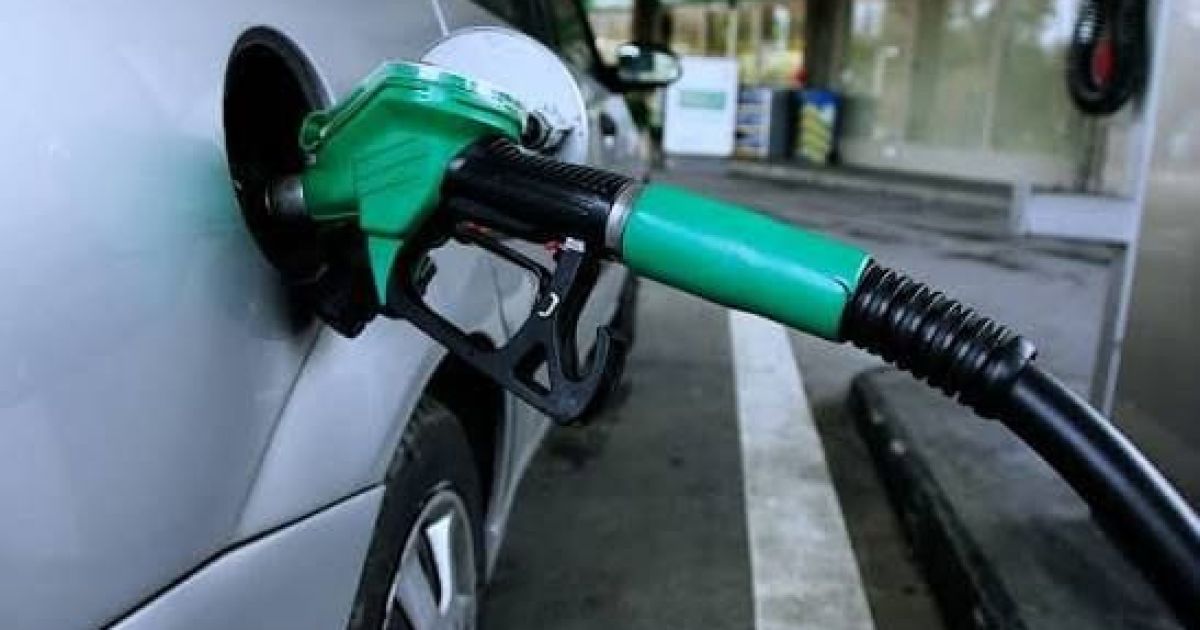
Narendra Modi’s Administration on Friday, 15 May 2026 tried to mitigate the impact of the supply squeeze by announcing fuel price increase of 3 rupees ($0.03) per litre, pushing gasoline prices to 97.77 rupees and diesel to 90.67 rupees.
Considering the tightening supply is primarily attributed to the near-total shutdown of the Strait of Hormus, a maritime chokepoint, that previously handled approximately half of India's crude imports.
While the government officially maintains that existing reserves—including pipeline stocks and cargoes currently at sea—should cover 60 days of national consumption, talking to The Times of India, Kpler’s analysts warn that immediately accessible onshore inventories may only suffice for roughly 18 days.