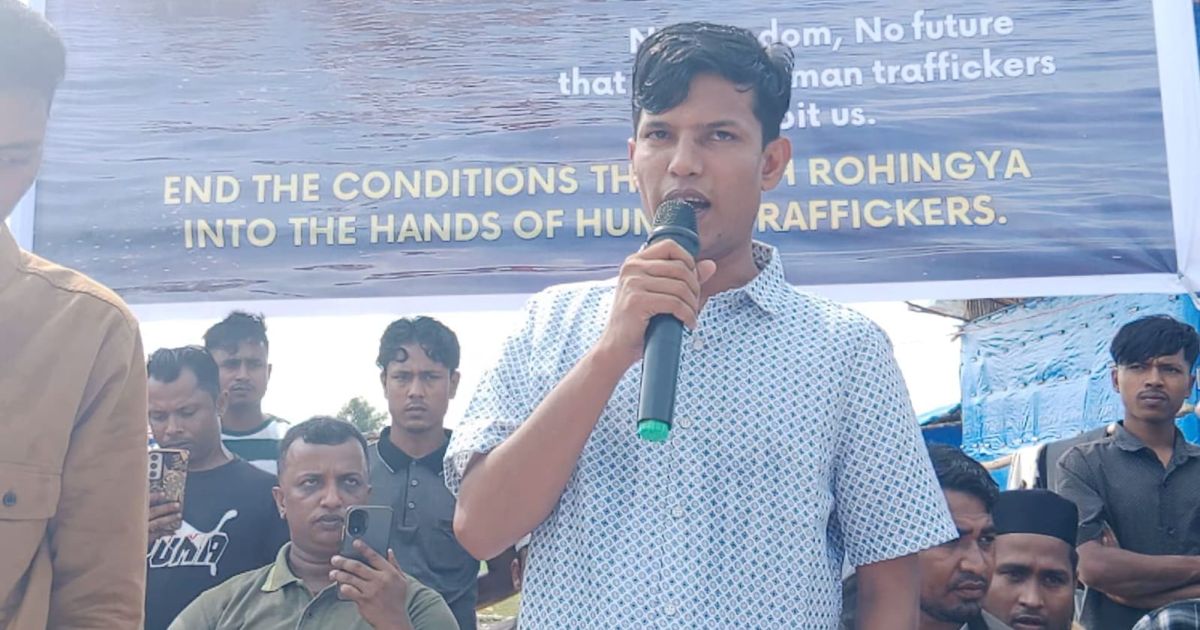
Yogyakarta - None of us want to leave our homes if not because our lives are in dangerous - that's why many like Abdu Rahman and other from Rohingya ethnic group have to fly out of Myanmar for their safety.
However, living out of - what we can call our homeland - has a lot of challenges. On 2026's World Refugee Day, Asiaglobe presents our story to uncover how life has been treating those who are in seeking refugees under international protection after flying their homes for safety, through Abdu Rahman's story.
"It was escaping from death and living for a second life." - Abdu Rahman
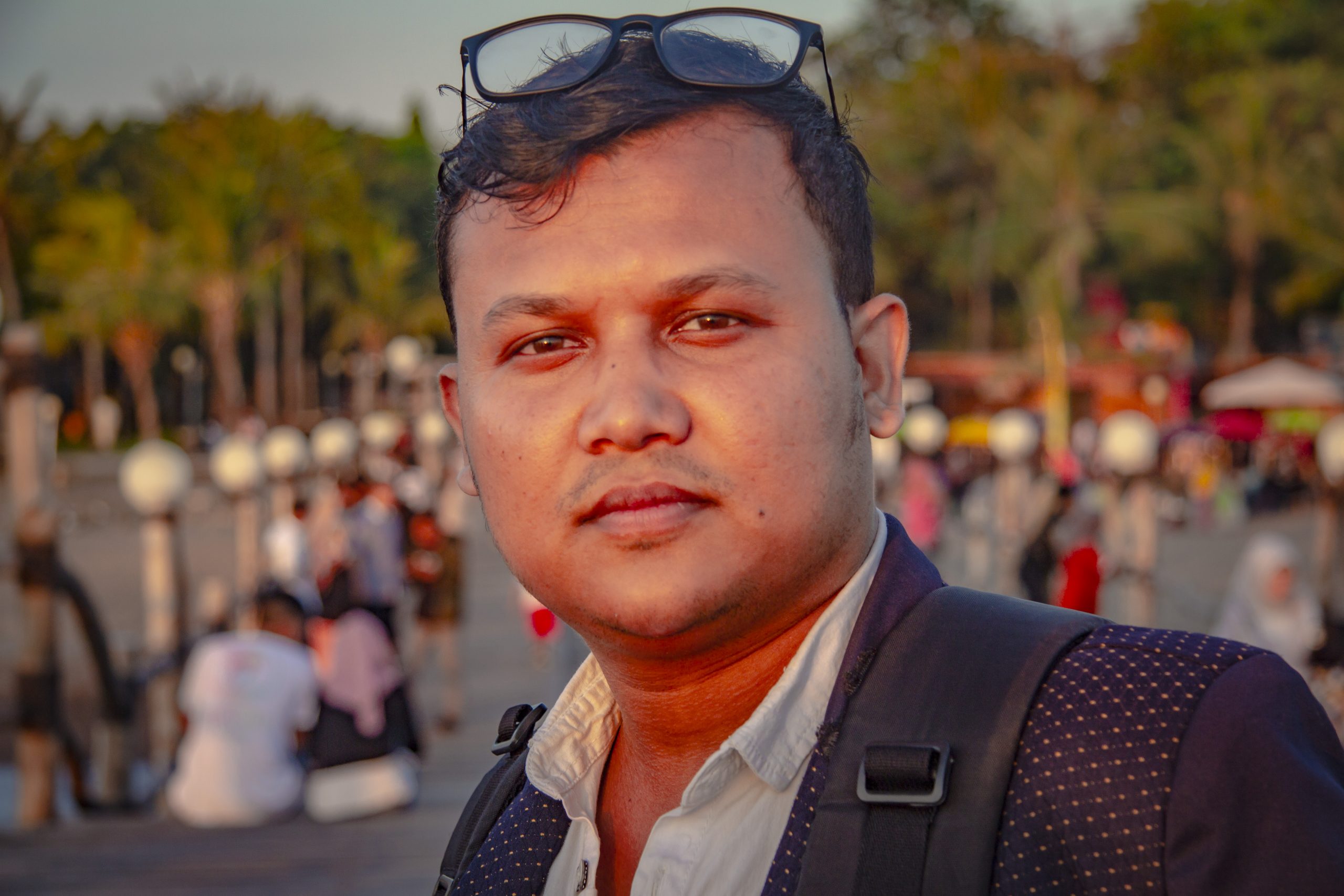
On most mornings in Pekanbaru, Indonesia's Riau Province, Abdu Rahman wakes up in a cramped shelter room with a handful of other refugees. He has no formal employment permit, limited cash from the International Organisation for Migration (IOM), and no certainty about tomorrow.
He is twenty-six years old. He has already survived genocide, crossed a river with a six-year-old brother on his back, spent seven years in the world's largest refugee camp in Cox's Bazar in Bangladesh, endured seventeen days on a vessel at sea, and lost his father to a disease that proper medicine could have treated. What he has not lost — and refuses to lose — is his voice.
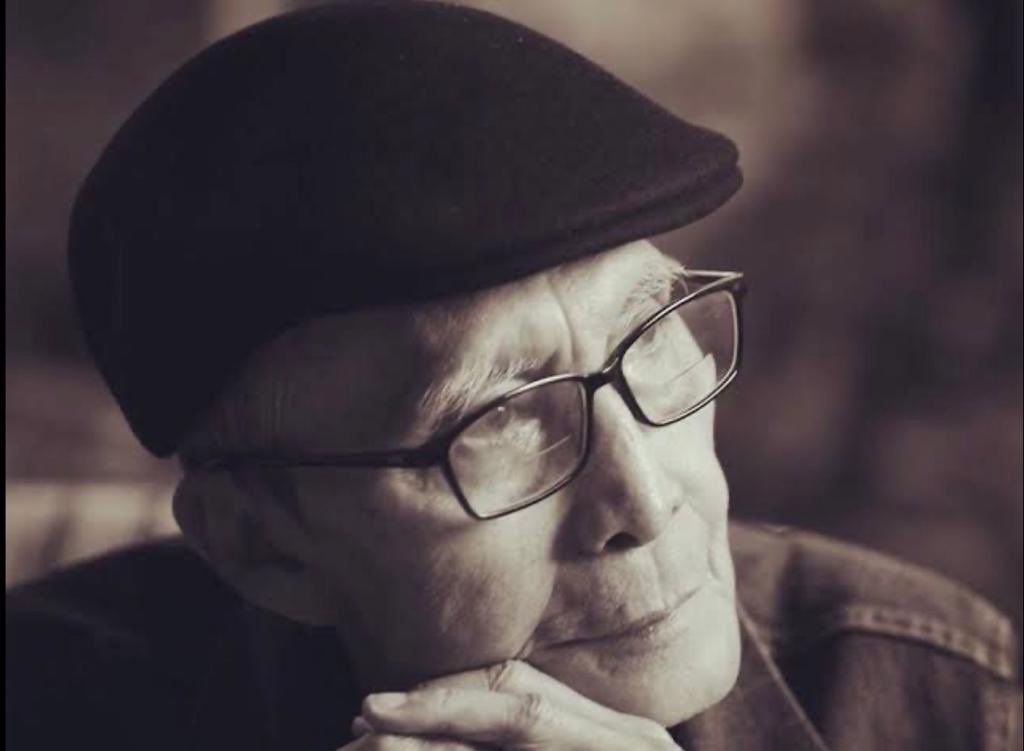
Abdu Rahman is a Rohingya poet. He has published two books of poetry, Rohingya Odyssey and Warrior's Verse, both available internationally. His poems have appeared in anthologies and magazines across the world. He writes in English, a language he taught himself, and in Rohingylish, the written form of his people's own tongue.
For a man the state of Myanmar has never recognized as a citizen, the written word is the closest thing he has to a passport.
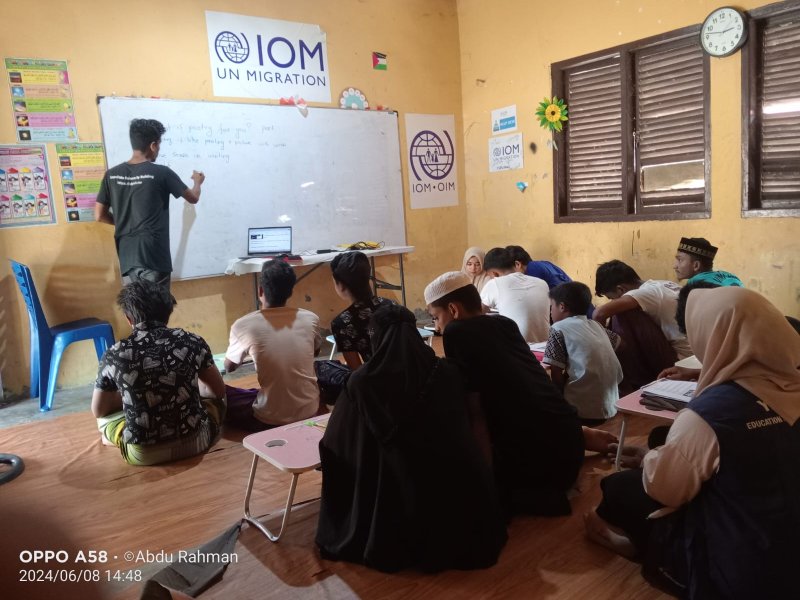
(Basic poetry training facilitated by Abdu Rahman in Aceh camp (Photo/file/Abdu))
A People the State Refused to Name
To understand Abdu, one must first understand where he comes from — and why leaving was not a choice, but a matter of survival.
Myanmar's Rakhine State, also known as Arakan, is home to the Rohingya, a predominantly Muslim ethnic group, who have lived in the region for generations. Yet Myanmar's government has long refused to recognize them as citizens, classifying them as illegal immigrants from Bangladesh despite deep historical roots in the land.
Bangladesh also has refused to recognized them as the citizens of the country where Rakhine State lies nearby in the border with Myanmar.
The persecution is not recent. For decades, Rohingya people have faced systematic discrimination: denied citizenship documents, barred from higher education, restricted in their movement, and subjected to arbitrary arrest.