Jakarta — Indonesia's Directorate General of Taxes (DJP) has decided to formally involve village-level military and police personnel in monitoring taxpayer compliance nationwide, under a circular signed by Tax Director General Biro Wijayanto, dated 15 July 2026, that has been drawing criticism from lawmakers who warned the move could intimidate taxpayers.
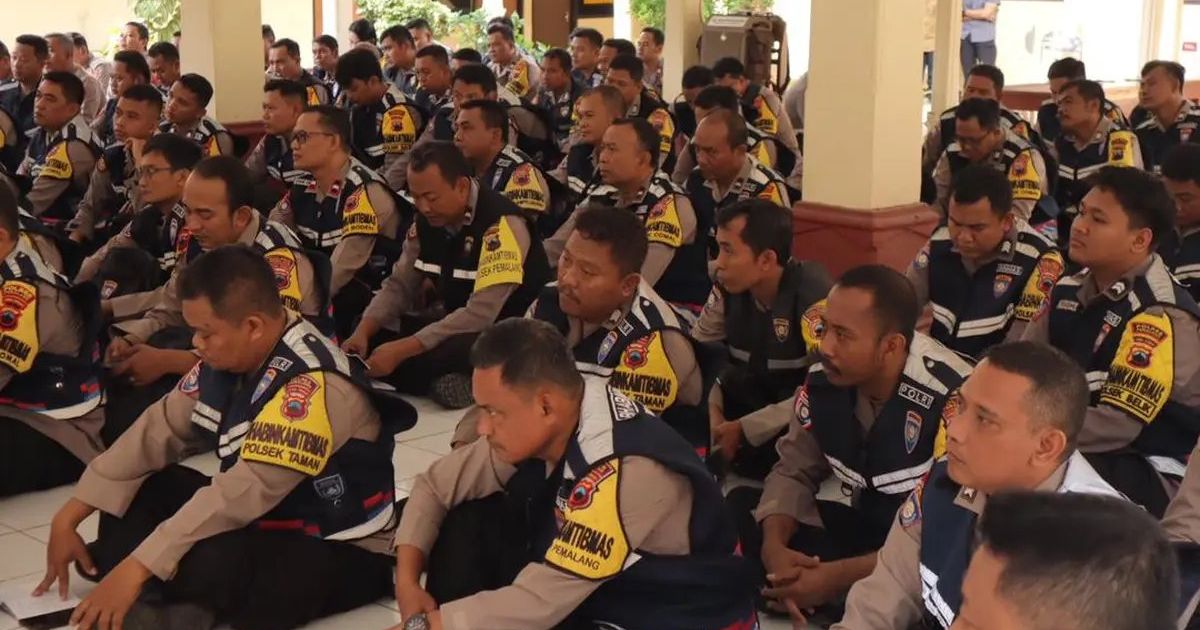
The circular titled "Guidelines for Taxpayer Compliance Monitoring", allows the tax office to involve Village Guidance Non-Commissioned Officers, known as Babinsa, from the Indonesian National Military (TNI), and Community Security and Order Guidance Police, known as Bhabinkamtibmas, from the Indonesian National Police (Polri).
The regulation splits data collection into field and non-field methods, with the two territorial officers positioned as part of what the circular calls an "information network" supporting data gathering at the village level.
Director Bimo said the involvement of village-level officers does not grant them new authority to conduct tax audits or collections.
"So, village officials and the like coordinate with us, they are not then portrayed as carrying out audits or tax collection, not at all," Director Bimo said on Tuesday, 201July 2026 at a press briefing on the government's July 2026 state budget report in Jakarta.
He said the practice was not new, having existed since 2020 under an earlier circular, SE-11/PJ/2020, and that the 2026 version only refined implementation procedures. "This rule has existed since 2020, for your information. So this is just a refinement made in 2026," he said, adding the matter should not be turned into unnecessary controversy.
Utut Adianto, chairman of the House of Representatives' Commission I, which oversees military and police affairs, said lawmakers had not yet received a detailed explanation of the policy's objectives but would support it if used properly to boost state revenue.
"If the goal is a good one, we will certainly support it," Mr Utut told reporters. He cautioned the tax office against letting the policy create pressure on the public.
"If it's really for our tax revenue, this should not become something frightening for taxpayers," he said, calling for clear boundaries on the duties of Babinsa and Bhabinkamtibmas so they do not take over the authority of tax officers.
The politician from the Indonesian Democratic Party of Strunggle (PDI-P) suggested the tax office hold briefings with large taxpayers beforehand to explain the policy's purpose and procedures.
According to the circular, monitoring methods include site visits, canvassing, direct observation, and information-network building through Babinsa and Bhabinkamtibmas, alongside remote sensing, web scraping and data analytics.
The tax office said the approach aims to expand its taxpayer database and identify individuals and entities not yet registered in the tax system, rather than to serve as an enforcement tool.***