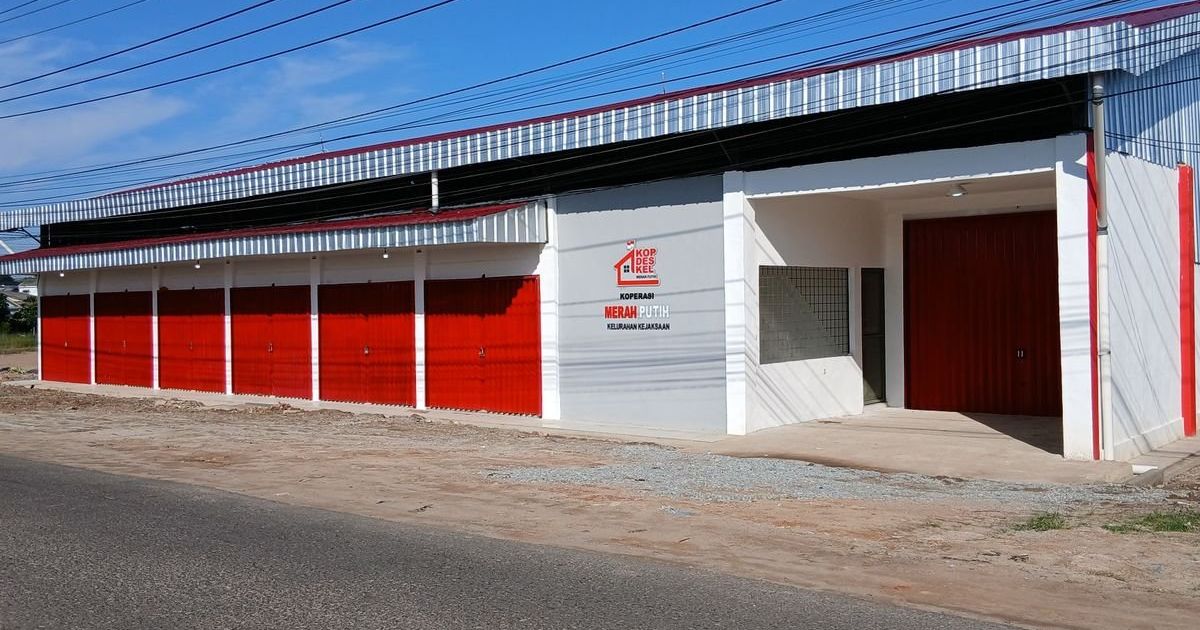
Jakarta — Indonesia's Cooperatives Minister Ferry Juliantono said on Thursday, 16 July 2026 that Red-White Village Cooperatives (KDMPs) are permitted to manage mining operations within their village territories, citing existing minerals and coal legislation, a day after suggesting the cooperatives should generally avoid the sector.
"Yes, it's allowed," Minister Ferry told reporters at the House of Representatives building in Central Jakarta, when asked whether village cooperatives could run mining businesses.
"In mining areas, in their own village territories," he reaffirmed, adding that cooperatives outside the KDMP program are also permitted to manage mining under Indonesia's 2020 Minerals and Coal Law (UU Minerba).
Former labor activist also said the law allows cooperative business entities to manage mining and mineral operations, and noted cooperatives are also permitted to establish banks and crude palm oil processing plants. "There's no rule prohibiting it," he said.
Conflicting Statements
A day earlier, Minister Ferry had said mining, palm oil processing and other capital-intensive sectors would be better handled by established cooperatives with existing experience rather than the newly formed village units.
"It's best that it not be the village (and) urban village Red-White Cooperative," he said at the presidential palace complex, citing the scale of investment required.
He said the ministry oversees hundreds of thousands of pre-existing cooperatives operating in production, distribution, industry and finance that are better positioned to enter strategic sectors, distinct from KDMP's mandate to strengthen village-level economies.
Minister Ferry cited plans to inaugurate a cooperative-run crude palm oil plant in Musi Banyuasin, South Sumatra in August, operated by Koperasi Unit Desa Sejahtera, as an example of cooperative involvement in strategic industries.