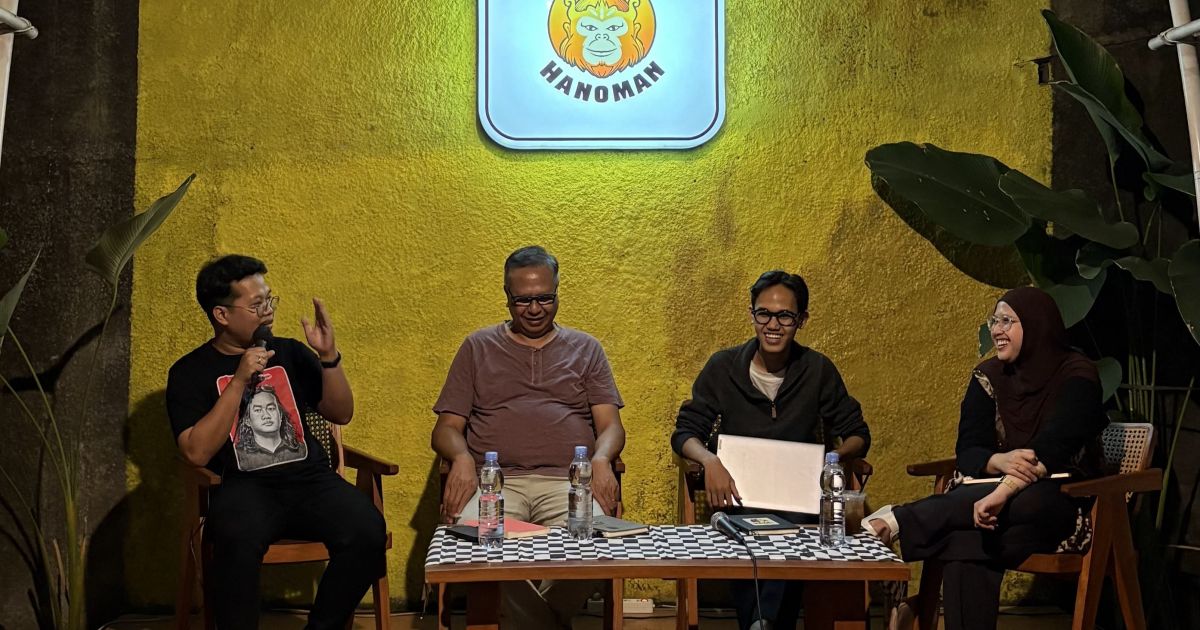
Yogyakarta — Activists, students, and academics gathered at Ndalem Hanoman Coffee and Eatery in Yogyakarta on Friday, 10 July 2026 for a public discussion titled "Menata Ulang Relasi Negara dan Warga" — Restructuring the Relationship Between State and Citizens — questioning whether Indonesia's social contract still serves the public it was designed to protect, amid what speakers described as a growing pattern of state hostility toward dissent.
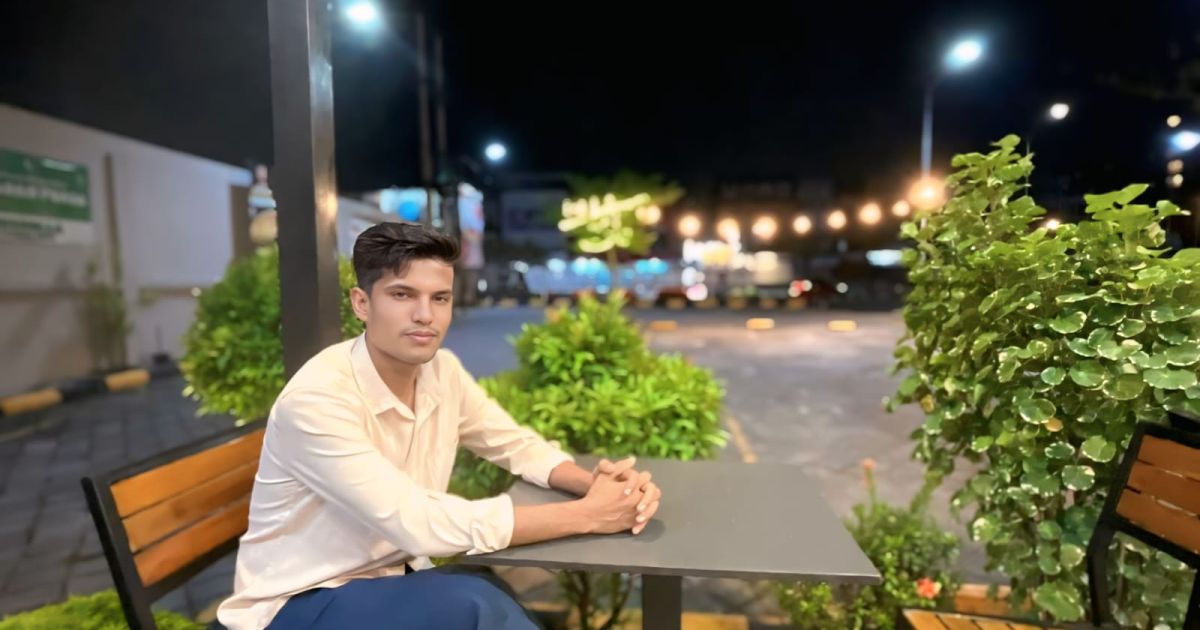
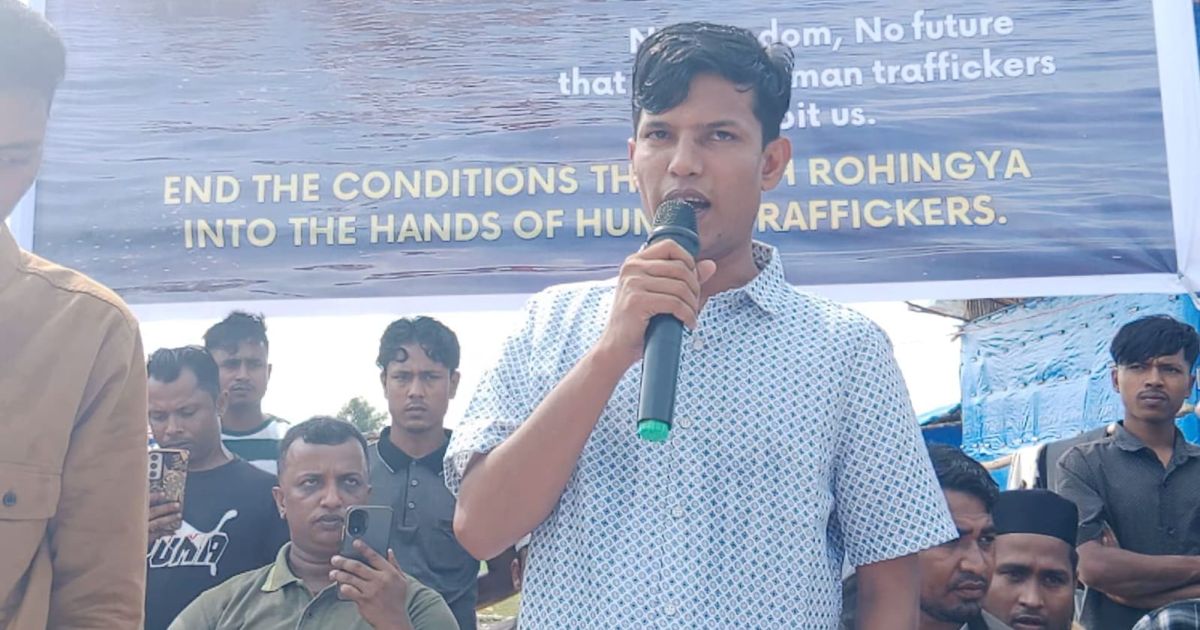
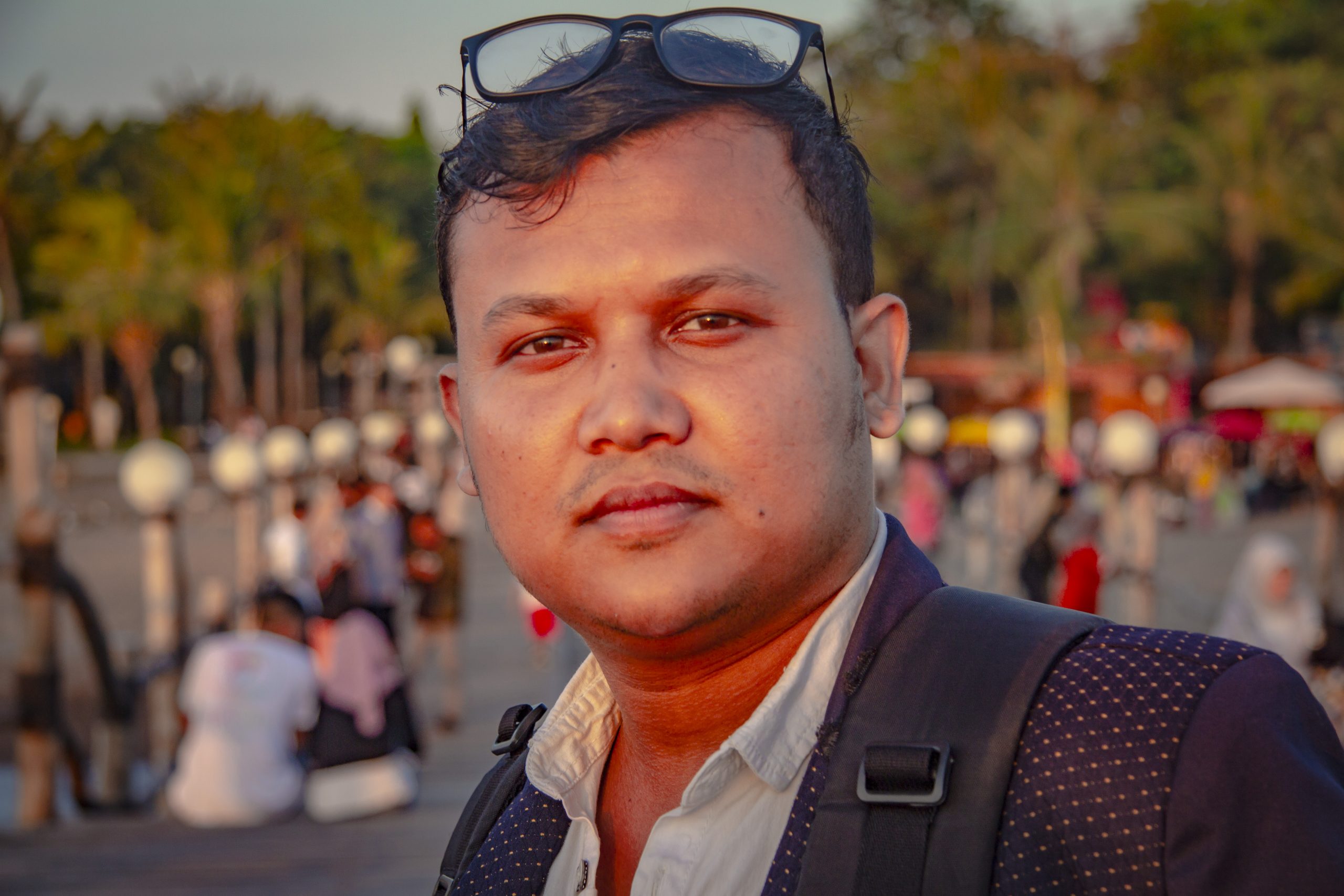
The forum was organised by Muhammad Fakhrurrozi, a social activist from Yogyakarta, who said the discussion was prompted by the proliferation of public policies that harm the very people they claim to serve, and by a political climate in which citizens who speak out are increasingly treated with suspicion rather than respect.
"Why is it that when we criticize, we get doxxed, intimidated, or arrested?" Fakhrurrozi said. "Those questions must be thrown into the public space — not just confined to a narrow discussion room" he added.
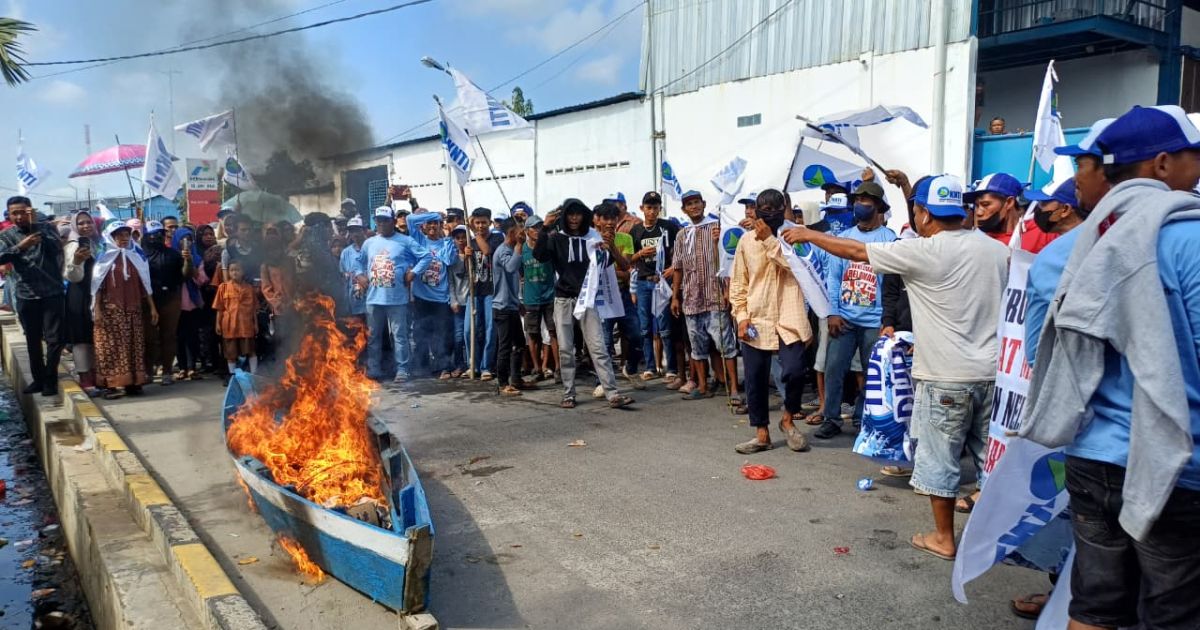
The activist himself was arrested by police following August 2025 in many cities across Indonesia, protesting members of the House of Representatives for requesting luxury facilities while the people were under economic pressures.
In the discussion, Speaker Naysilla Rose anchored the theoretical dimension of the forum around Thomas Hobbes' concept of Leviathan — the idea that citizens surrender a portion of their power to the state in exchange for protection and security. She argued that in Indonesians context, that contract has been inverted.
"The Leviathan that Hobbes imagined as a guardian — as a guarantor of rights — has today become the one doing harm to its own citizens," Rose said.
"We need to rethink what an ideal social contract actually looks like, because that concept is being twisted and co-opted by the state itself," the social activist said.
Speakers also raised the question of information filtering within the executive, arguing that insulating the president from ground-level reality is ultimately unsustainable. Fakhrurrozi pointed to the recent budget cut to the free nutritious meal program or MBG as evidence that policy reality eventually breaks through.
"He still sees it. He will still see these protests happening...His subordinates keep telling him everything is fine — but people keep protesting," Fakhrurrozi or popular as Paul said referring to President Prabowo Subianto.
The discussion called on the public to continuously raise fundamental questions about the meaning of citizenship and the legitimacy of state authority, framing open civic discourse as a counterweight to what speakers called a regime increasingly prone to surveilling rather than serving its people.***